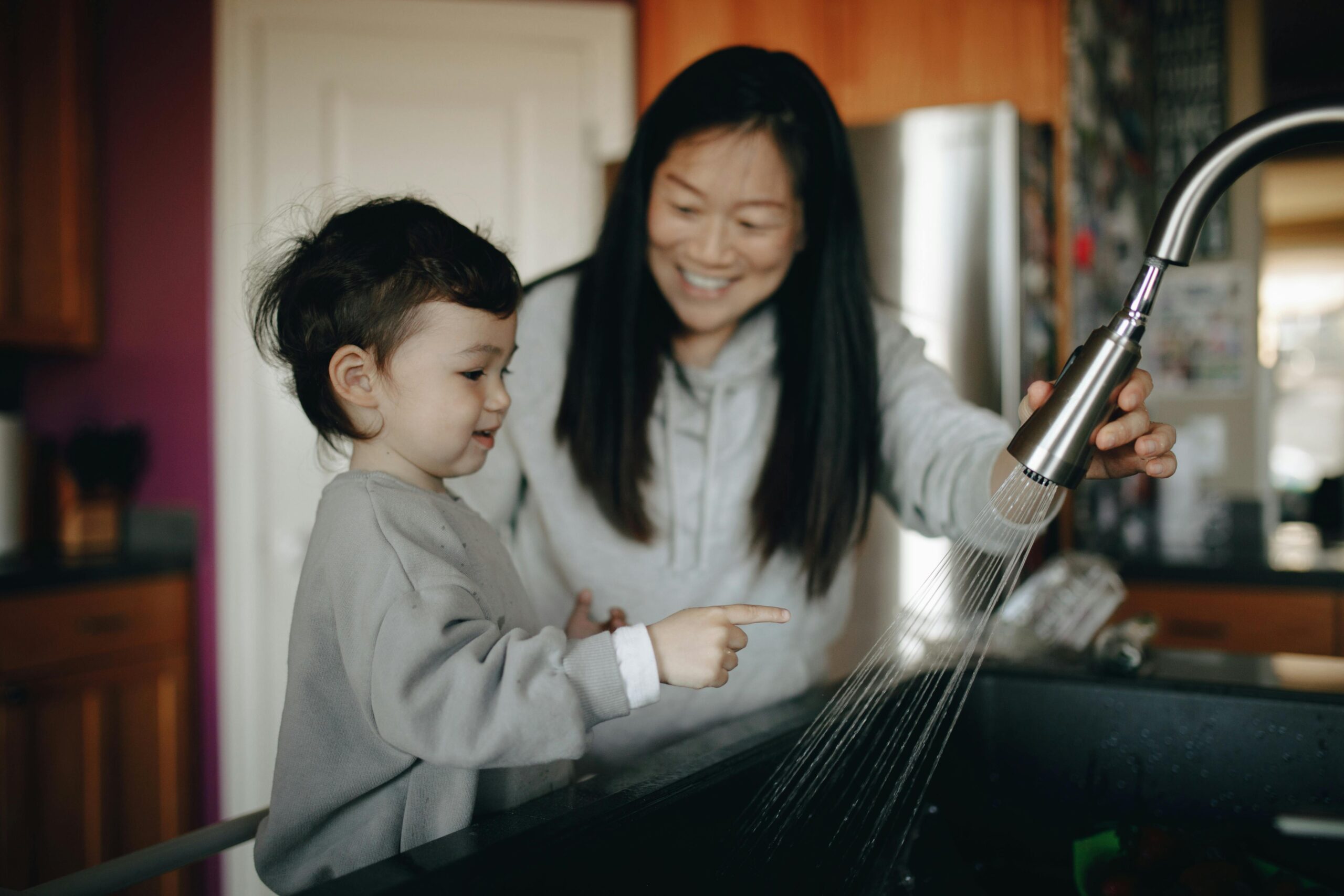
Scrub, Scrub, Scrub Your Hands!
I didn’t think I would ever write a post on this topic, but here I am, talking about handwashing.
Believe it or not, most daycare providers must complete training on communicable diseases and sometimes specific handwashing training. In fact, after learning about so many different illnesses, viruses, bacteria, and symptoms (and how to spot them), I sometimes forgot that I wasn’t a nurse — just an educator!
Young children in their early years do not have the immunity or antibodies to fight off infectious bacteria, viruses, and other pathogens. Their bodies are still growing and adapting, so they often seem to get sick so frequently — their immune systems are working hard behind the scenes to build protection.
But I get it — sick kids are exhausting.
You have to take time off work, schedule doctor’s appointments, manage endless symptoms — all while your heart breaks because your child looks absolutely miserable.
Trust me, I understand.
That’s why I’m here to stress to you, not just as a friend, but as a child development educator, that you can help minimize these illnesses by reinforcing handwashing every step of the way.
What Causes Illnesses in Young Children?
Illnesses in young children are most commonly caused by germs, including viruses, bacteria, and other microscopic organisms that spread easily in group settings like daycare or school.
These germs are invisible, but they’re everywhere: on hands, toys, doorknobs, and even in the air. And young children, who explore the world through touch (and often through their mouths), are naturally more exposed to these pathogens.
Common daily activities include:
- Playing with shared toys
- Hugging friends
- Touching playground equipment or classroom surfaces
- Eating finger foods without washing hands
…can all lead to the transfer of germs. Once those germs are on their hands, it takes only a second for them to enter the body, often through nose rubbing, eye touching, or mouthing behaviors.
Unlike adults, young children haven’t yet built up strong immune defenses. Their systems are still learning to recognize and fight off unfamiliar germs, which is why they tend to get sick more often during the first few years of life.
This makes handwashing one of the most powerful habits we can teach our children, not just for cleanliness but also for real health protection.
Common Illnesses Young Children Face
It’s completely normal for young children to get sick — in fact, it’s expected.
According to the American Academy of Pediatrics, infants and toddlers can experience eight or more infections a year, especially in group care settings. This frequent exposure is part of how their immune systems learn to identify, fight, and remember invading germs.
In most cases, these illnesses are minor but inconvenient. Others can spread quickly if proper hygiene habits — like handwashing — aren’t in place.
Here are some common illnesses young children often face:
- Colds & Respiratory Infections – Passed through coughing, sneezing, and shared surfaces
- Stomach Bugs (Gastroenteritis) – Spread by dirty hands or contaminated food
- Hand, Foot, and Mouth Disease – Spread through saliva and unwashed hands
- Pink Eye (Conjunctivitis) – Transmitted by rubbing eyes with unclean hands
- Flu (Influenza) – Spread through droplets or surface contact
- Ear Infections – Often follow colds due to anatomy in younger children
- Skin Rashes (e.g., Chickenpox, Impetigo) – Spread by skin-to-skin or surface contact
While illness can’t be avoided completely, you can absolutely reduce the risk by helping children develop strong hygiene habits early — starting with regular, thorough handwashing.
Why Young Children Get Sick So Often
Young children get sick more often not just because of exposure — but because their immune systems are still developing.
Their bodies are learning how to identify and respond to threats like viruses, bacteria, and other pathogens. When a germ enters the body, the immune system sends out special white blood cells called lymphocytes. These cells work to detect the invader and produce antibodies, which are proteins designed to fight off that specific germ. Once an antibody is created, it stays in the body — so the next time that same germ shows up, the child’s body can fight it off more quickly. This is why some illnesses, like chickenpox, usually happen only once.
What Weakens the Immune System?
Several factors can make a child more vulnerable to getting sick:
- Poor nutrition – Lacking key vitamins and enzymes
- Lack of sleep or physical activity – Weakens bodily defenses
- Chronic stress – Suppresses immune function through hormone imbalance
Immature anatomy – Smaller respiratory structures allow germs to spread faster
The Role of Exposure in Immunity
Although it can be stressful to see a child catch multiple colds or stomach bugs in a year, it’s actually part of how their immune system learns.
Each exposure helps their body develop memory cells and stronger antibodies, which means future illnesses may be shorter or less severe. That doesn’t mean we shouldn’t try to prevent sickness. But it does mean we can view mild, common illnesses as part of natural development — and focus on what we can control: healthy habits, good hygiene, nutrition, and rest.
Handwashing: Your Child’s First Line of Defense
Handwashing is one of the most effective ways to prevent the spread of illness. It’s simple, free, and makes a significant difference in how often children get sick, especially in group settings like schools and daycares.
When done correctly, handwashing physically removes germs from the skin before they can enter the body through the eyes, nose, or mouth. For young children, it also builds important life skills like independence, self-care, and respect for shared spaces.
Health experts consistently recommend scrubbing hands with soap and water for at least 20 seconds to effectively remove germs. According to the Centers for Disease Control and Prevention (CDC), this time allows soap’s surfactants to lift dirt, grease, and microbes from the skin, while the mechanical action of rubbing helps dislodge and rinse them away. The Mayo Clinic reinforces this guidance, explaining that quick rinses aren’t enough — thorough washing is essential to prevent the spread of respiratory, gastrointestinal, and other contagious illnesses.
Interestingly, this recommendation isn’t based on health tradition alone. A scholarly analysis using fluid dynamics found that it takes about 20 seconds of consistent hand-rubbing to physically knock virus-sized particles off the skin. This research confirms that it’s not just about using soap — it’s also about the motion and friction working together to break the bond between germs and the skin’s surface (Hammond, 2021).
Whether supported by biology or physics, one message is clear: 20 seconds matters.
When Should Children Wash Their Hands?
At a minimum, children should wash their hands:
- Before eating or handling food (this includes infants on the bottle)
- After using the bathroom (or after a diaper change)
- After blowing their nose, coughing, or sneezing
- After playing outside or with pets
- After touching shared surfaces or toys
Anytime their hands look or feel dirty
How to Teach Proper Handwashing
Teaching handwashing takes time and consistency, but it pays off. Here’s how to make it easier:
- Model it – Kids learn by watching you
- Break it down – Wet, soap, scrub, rinse, dry
- Make it fun – I have a handwashing song that works every time. Check out my Daily Routines section for a fun transition!
- Use visuals – Hang a handwashing steps chart near the sink
- Celebrate effort – Praise them even if it’s not perfect.
If you make handwashing a routine and low-pressure, children begin to see it as just part of daily life, not a chore or punishment.
Bonus Tip: Set Kids Up for Success
Keep child-friendly supplies accessible:
- A stable stool
- Gentle, foaming soap
- A towel within reach
These small adjustments make it easier for little ones to take charge of the process themselves.
Using Hand Sanitizer as a Backup
While handwashing with soap and water is the gold standard, sometimes it’s just not available, especially on the go.
Hand sanitizer can be a helpful backup in those moments, but it must be used correctly and safely.
✅ When to Use Hand Sanitizer
- When soap and water are not available
- When hands are not visibly dirty or greasy
- In public spaces (parks, stores, and daycare pickup)
- Must be at least 60% alcohol to be effective
- You must rub for 20 seconds, just like with handwashing!
🖐️ How to Use It Safely
- Apply a dime-sized amount to one palm
- Rub front, back, and between fingers
- Continue until completely dry
- Avoid touching face until hands are dry
⚠️ Important Safety Notes
- Children under 3 should only use sanitizer with adult supervision
- Keep bottles out of reach
- Never apply to cuts or irritated skin
- Avoid contact with the eyes or mouth
- Wash with soap and water as soon as available
🧴 Pro Tip
Choose child-safe, unscented sanitizers when possible. Alcohol-based products can dry out skin, so consider using a gentle moisturizer afterward. (Our health nurse recommended using Aquaphor to protect skin, especially in colder months.)
Hand sanitizer should complement, not replace, handwashing. When used properly, it’s a useful tool for keeping little hands clean between washes.
Activities to Help Kids Understand Germs
Teaching young children about germs can be tricky—after all, they’re invisible! But with the right activities, you can help children understand how germs spread and why handwashing matters.
Here are a few simple and practical activities you can try at home or in the classroom:
🧴 1. Glitter Germs
What you need: Lotion or petroleum jelly + glitter
- Rub a small amount of lotion or jelly on your child’s hands.
- Sprinkle glitter on top and have them rub their hands together.
- Ask them to touch toys, door handles, or shake your hand — then point out how the “germs” (glitter) have spread.
- Try rinsing their hands with water, then again with soap and water for 20 seconds.
This activity shows how quickly germs can spread — and that soap is needed to thoroughly remove them.
🧼 2. Pepper + Soap Experiment
What you need: A bowl of water, black pepper, dish soap
- Fill a shallow bowl with water and sprinkle black pepper across the surface (these represent germs).
- Have your child stick a finger in — nothing happens.
- Now, dip that finger in dish soap and try again.
Watch the pepper immediately move away from the soapy finger!
It’s a dramatic and visual way to show how soap breaks surface tension and repels germs.
🤲 3. Glow Germ or Crayon Activity
If you have access to a UV light and Glow Germ gel or powder, it’s an amazing visual experience.
After applying the gel and letting kids play, use the light to reveal where germs are hiding — under fingernails, in knuckle creases, and between fingers.
You can find an example here: https://amzn.to/4jXZlM4
Disclosure: This is an affiliate link. That means if you click and purchase it, I may earn a small commission at no extra cost to you.
No Glow Germ? Try this instead:
- Trace your child’s hands on a white sheet of paper.
- Use a white crayon to draw small “germs” around the hands.
- Let your child watercolor paint over the hands and watch the germs appear!
This art-based alternative helps them visualize “hidden” germs, making the concept fun and memorable.
These activities turn a simple hygiene routine into a hands-on learning experience, helping children see what they can’t normally see — and understand why proper handwashing really works.
👉 Download this printable:
Germ_Spread_Activities_Printable
Final Thoughts
Teaching handwashing may seem like a small thing, but it’s one of the most powerful habits you can build into your child’s daily routine.
It’s not just about preventing colds or stomach bugs.
It’s about helping your child develop a sense of independence, self-care, good hygiene habits, and awareness of others.
These are lifelong skills that begin with simple, consistent practice.
Yes, it takes patience.
Yes, it takes repetition.
But every time you remind your child to wash their hands, you’re not just preventing illness — you’re empowering them to take ownership of their health.
So, keep showing. Keep modeling. Keep scrubbing together.
Because one small habit, done with intention, can lead to big, lasting change.
References:
Centers for Disease Control and Prevention. (2020). When and how to wash your hands. CDC
Hammond, P. (2021). Handwashing advice is backed up by physics. Nature, 596(7873), 465.
Mayo Clinic Staff. (2021). Hand-washing: Do’s and don’ts. Mayo Clinic. https://www.mayoclinic.org/healthy-lifestyle/adult-health/in-depth/hand-washing/art-20046253
Featured Image:
Image by: PNW Production
www.pexels.com/@pnw-prod/collections
